.svg "Greenhatch white logo (1)")
In the early stages of any land development or infrastructure project, the accuracy of your site data dictates the viability of your entire design. Working from outdated maps or visual estimates introduces unnecessary risk to both budget and programme, whereas a professional topographical survey provides the definitive geospatial foundation needed to progress from concept to construction with confidence.

The value of topographical data goes far beyond plotting simple boundary lines. A modern topographical survey captures the full three-dimensional reality of your site – including levels, contours and key physical features, to create a precise digital representation of the land, giving developers and architects the insight they need to make informed decisions and de‑risk projects from day one.
Critical Base Data For Engineering And Design
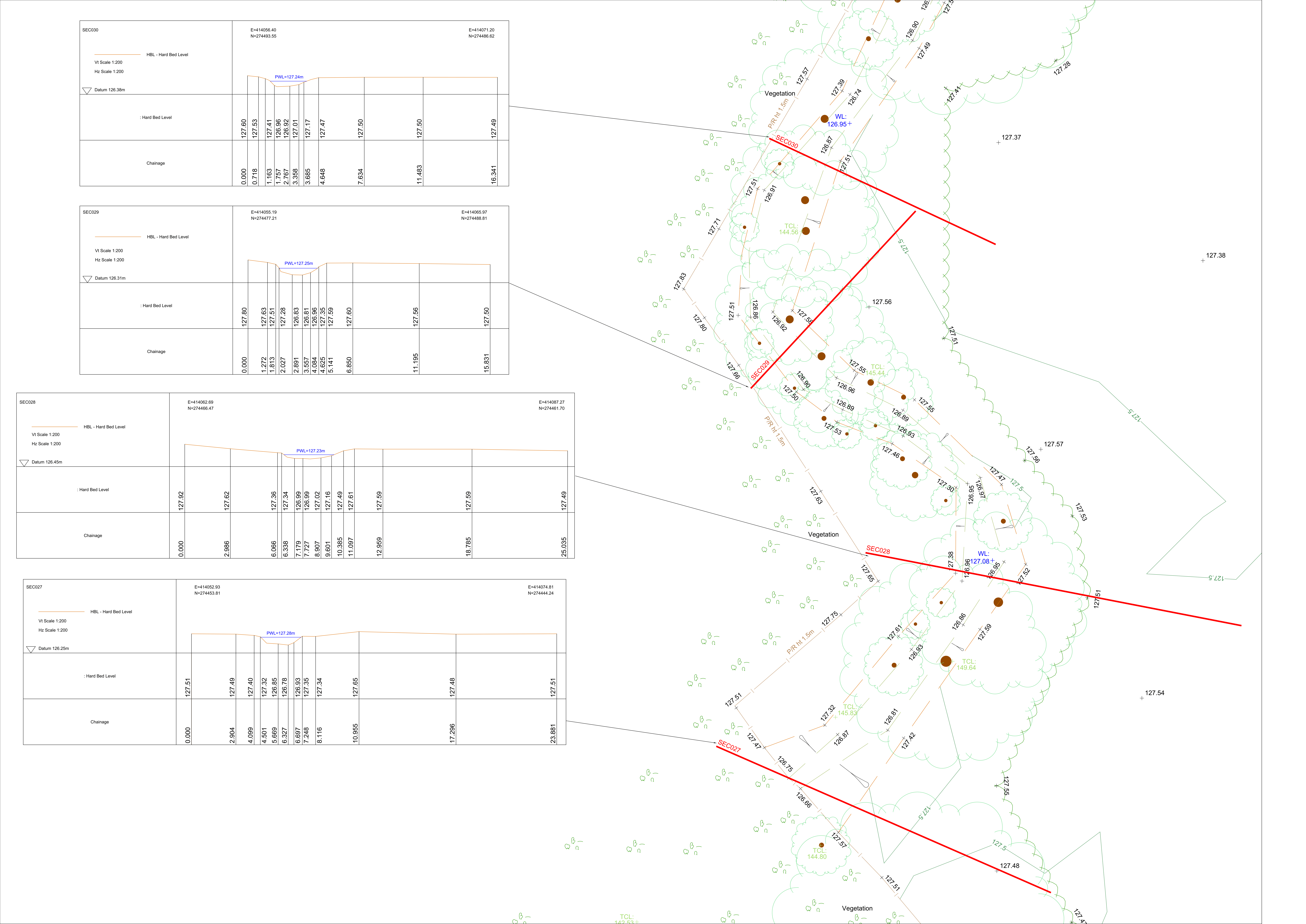
One of the primary reasons for the importance of a topographical survey is its role in hydraulic and civil engineering. Specialist teams capture high-precision level data that serves as the basis for Flood Risk Assessments (FRA) and surface water drainage designs. Without accurate spot heights and contours, it is impossible to predict how water will behave on your site, which can lead to catastrophic design failures or planning refusals.
Furthermore, this data is essential for precise earthworks volume calculations. By understanding the exact profile of the terrain, engineers can calculate cut and fill requirements with millimetre precision. This level of detail minimises the need for off-site spoil disposal and reduces the volume of imported fill, directly impacting the commercial efficiency of your project.
Identifying Site Constraints Early
Every development site possesses unique natural and man-made constraints that can hinder progress if not identified early. A comprehensive topographical survey maps steep slopes, existing tree canopies, root protection areas and established structures. It also verifies legal boundaries and the position of adjacent buildings that may affect light or privacy.
Capturing these constraints at the outset allows for feasible, sympathetic designs. For example, knowing the exact height and spread of a protected tree ensures that your site layout complies with environmental regulations from day one. By addressing these factors early, you avoid the costly redesigns and delays that occur when constraints are discovered during the later stages of a planning application.
The Foundation For Planning Success
The importance of topographical survey plans is most evident during the local authority approval process. Planning departments require scaled, professionally annotated plans to assess how a proposed development will affect the surrounding environment, so accurate, up‑to‑date mapping is essential.
High‑quality topographical surveys provide authoritative evidence to support your application, clearly showing how a proposal sits within the existing landscape and any site constraints that may influence design. Plans can be delivered in industry‑standard formats that integrate seamlessly with architectural software, whether as 2D CAD drawings or 3D digital terrain models to support BIM workflows and visualisations. This level of clarity and professional presentation helps build credibility with stakeholders and can support a smoother, faster planning approval process.
Consistency Across Long Term Developments
For multi-phase or long term infrastructure projects, data consistency is paramount. Discrepancies between different survey stages can lead to significant alignment issues during construction. By establishing a robust primary control network at the start of a project, we ensure that every subsequent topographical survey or setting out task remains perfectly aligned.
This consistency allows for a ‘single source of truth’ across the project lifecycle. Whether you are in the initial feasibility phase or the final infrastructure delivery, having reliable, repeatable data prevents errors and reduces the likelihood of expensive on-site corrections. This is why many of the UK’s leading developers view the importance of a topographical survey as a non-negotiable part of their long-term asset management strategy.
Innovation And Technical Excellence
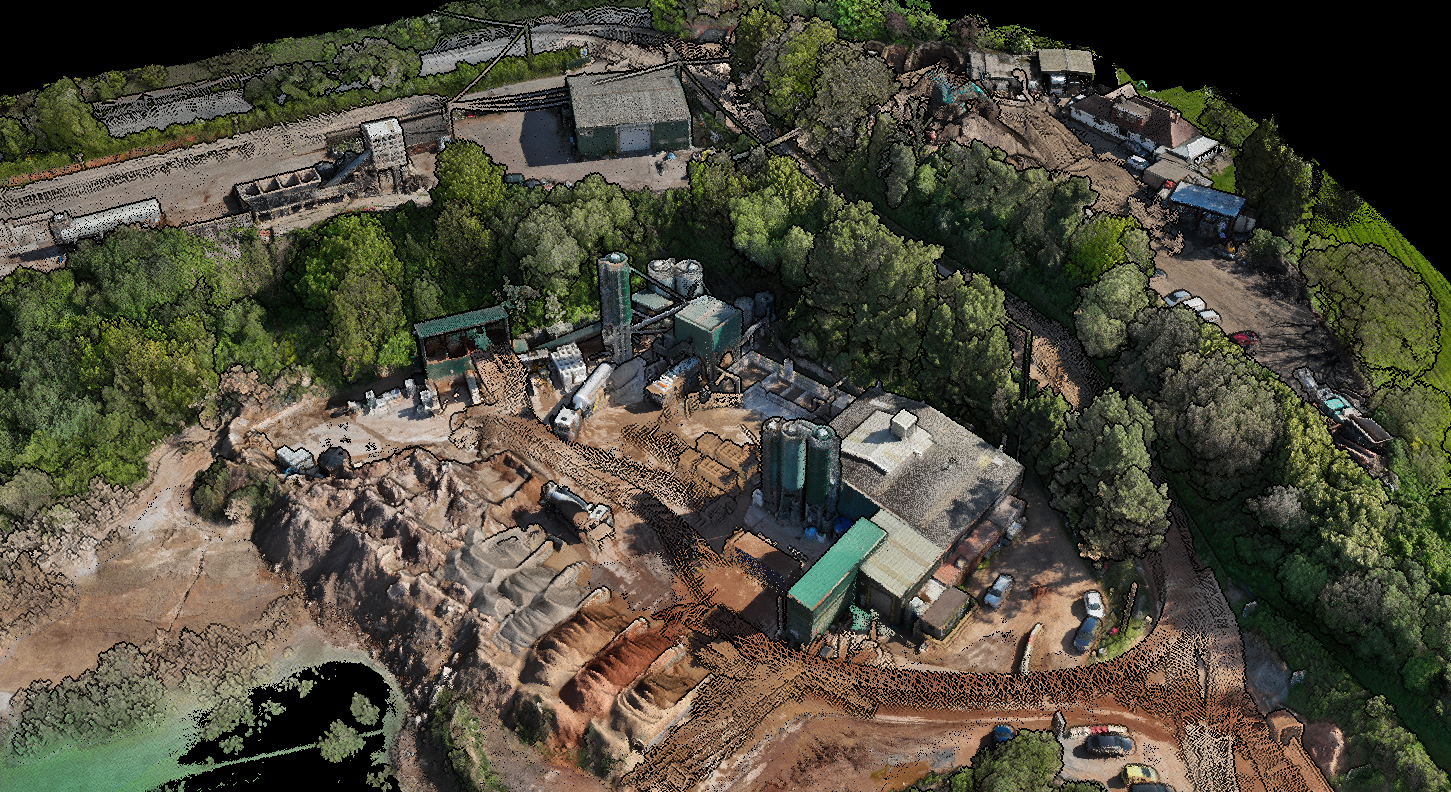
Modern topographical surveying relies on the right blend of expertise and technology. Leading survey providers now deploy robotic total stations, GNSS (Global Navigation Satellite Systems) and 3D laser scanners as standard, with UAV (unmanned aerial vehicle) drone surveys used to capture larger or hard‑to‑access sites quickly and safely. This combination supports highly detailed mapping while reducing time on site and improving safety performance.
Continuous investment in innovation allows survey teams to deliver far more than just points on a map, it delivers genuine technical clarity. Accredited to ISO 9001 and professional bodies such as RICS, specialist surveyors work within robust quality systems to ensure every drawing, model and dataset meets the highest industry standards. This technical rigour is combined with an approachable, consultative service, helping clients interpret complex geospatial data and apply it confidently across planning, design and construction stages
Contact Us For Full Lifecycle Support
Our nationwide offices provide full project lifecycle support, from the initial topographical survey through to underground utility mapping, structural monitoring and engineering setting out. This integrated approach ensures the same reliable dataset underpins both design and construction, reducing the risk of discrepancies on site.
By partnering with a survey firm that understands the full breadth of the construction process, you gain a trusted adviser who can identify risks early and help keep programmes on track. The success of any development depends on the quality of its foundations, so accurate site data should never be left to chance. Contact us today for topographical surveys that de‑risk your project from inception to completion. Our team is ready to provide the precision data your next scheme demands.

How Does Cross Section Surveying Support Your Infrastructure?

Our chartered ICES approved development scheme's first successful graduates
No Comments Yet
Let us know what you think