.svg "Greenhatch white logo (1)")

A measured building survey creates an accurate representation of an existing structure, capturing the architectural and structural details needed for informed design and refurbishment. In this article, we explain how measured building surveys are used to provide reliable information to key stakeholders throughout the project lifecycle.

What Does A Measured Building Survey Include?
A full measured building survey records the visible and measurable features of a property. This includes the walls, window and door positions, staircases, columns, floor levels, ceiling heights, and other internal and external elements that might influence design decisions. Depending on the project scope, the survey may also document features such as roof structures, façade details, or building services routes.
These outputs are typically delivered as floor plans, elevations, cross sections, or detailed three-dimensional data, providing a clear and dependable picture of the building’s configuration, and helping designers understand existing constraints before proposing any changes.
How Technology Improves Survey Precision?
Modern measured building surveys use advanced geospatial technologies that significantly improve speed and precision. For instance, laser scanners capture dense point clouds that accurately map the geometry of different rooms, façades, and structural elements, and SLAM (Simultaneous Localisation And Mapping) based systems are used for continuous data capture in areas where line of sight may be limited or where rapid survey movement is required.
The combination of static and mobile scanning allows surveyors to gather consistent, high-quality information, even in complex or irregular spaces, making measured building surveys valuable in refurbishment, conservation, and high specification design work where precise dimensions are essential for successful outcomes.
How Measured Data Supports Design And Refurbishment Projects?
Accurate measured data underpins many of the decisions made during planning, design, and construction. It allows architects and engineers to assess structural relationships, understand spatial limitations, and test the feasibility of proposed alterations, and for refurbishment projects, the information helps identify where new layouts can be introduced safely and efficiently, reducing the risk of unexpected complications once construction begins.
Measured surveys also support planning applications by providing clear and accurate drawings that reflect the existing building. This helps demonstrate compliance with the relevant building regulations and improves the chance of your application being accepted.
How Adaptable Is A Measured Building Survey?
Every project has different requirements, which means the scope of a full measured building survey must be tailored to suit the client’s objectives. Some smaller schemes may require only basic plans, for instance, while larger or more complex sites may need detailed internal elevations, structural information, or even full three-dimensional models. By adapting the survey to the needs of the project, surveyors deliver focused information that supports an efficient and well-informed decision-making process.
Practical Situations Where Measured Surveys Make A Difference
Measured building surveys are particularly valuable when project outcomes depend on understanding the true dimensions and condition of an existing structure. They therefore play a central role in refurbishments, where designers need an accurate picture of the current layout before committing to internal changes. They are also essential in heritage and conservation projects, as these buildings often require careful documentation to support sensitive interventions and to ensure work proceeds without disrupting the historic fabric.
For properties undergoing a change of use, measured surveys provide the factual information needed to assess feasibility, meet regulatory requirements, and determine whether the proposed layout is achievable. They also support projects involving extensions or structural alterations, allowing new designs to connect seamlessly with existing forms. In buildings where mechanical, electrical, or plumbing services must be integrated, the survey provides a reliable basis for planning routes and coordinating systems with existing constraints. Across all these situations, the value of a measured survey lies in its ability to remove uncertainty, giving architects, engineers, and project managers a clear and dependable reference for every decision that follows.
Speak With Greenhatch About Your Survey Requirements
If you are considering commissioning a full measured building survey, Greenhatch can recommend the most appropriate survey specification and technology for your site. Please get in touch with your local Greenhatch regional office to discuss your project and request a tailored quote.

What Is A Topographical Survey?
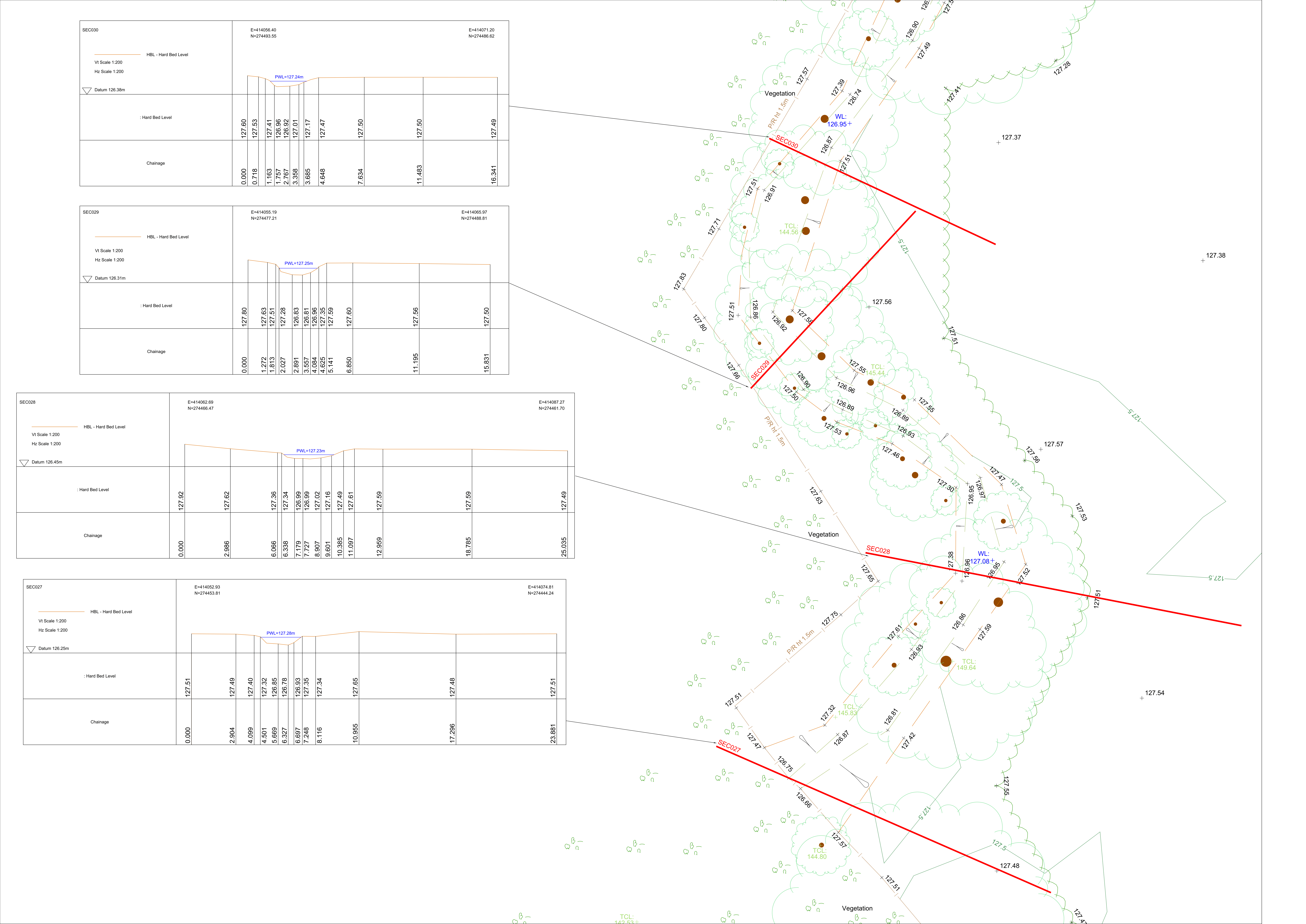
How Does Cross Section Surveying Support Your Infrastructure?

No Comments Yet
Let us know what you think